All posts by admin

Keeping it Simple

Last summer my wife and I made it back to Montana to visit some friends and hang out in the area we used to live in. There were a lot of things to do, people to see and general catching up. I didn’t really make big photo plans for this trip so, photographically speaking, I packed pretty light. Limiting myself to my 35mm camera, a couple lenses and a few rolls of black and white Tri-x we hit the road for Montana.

We were able to spend a week with some close friends on the Gallatin river just outside Bozeman and hit all of our favorite restaurants. Our dog was in heaven again. Being able to roam freely along the river and hang out in the sun whenever and where ever she wanted. It was a very relaxing time.

Photographically, it was a place I had been many times before, for some reason I wasn’t really inspired to make photographs. Maybe because it felt so familiar. Not really sure, because it is a beautiful place to photograph.
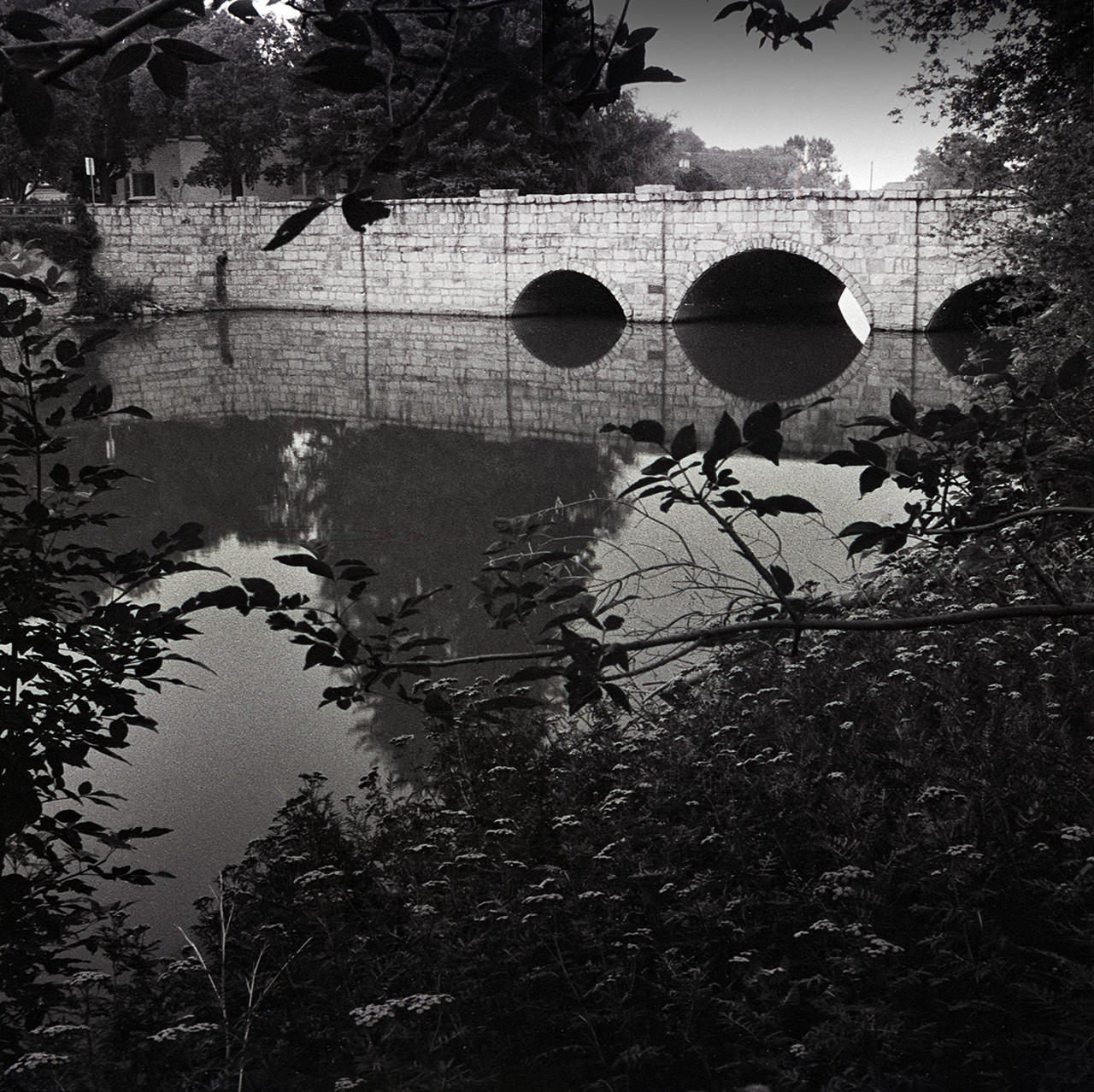
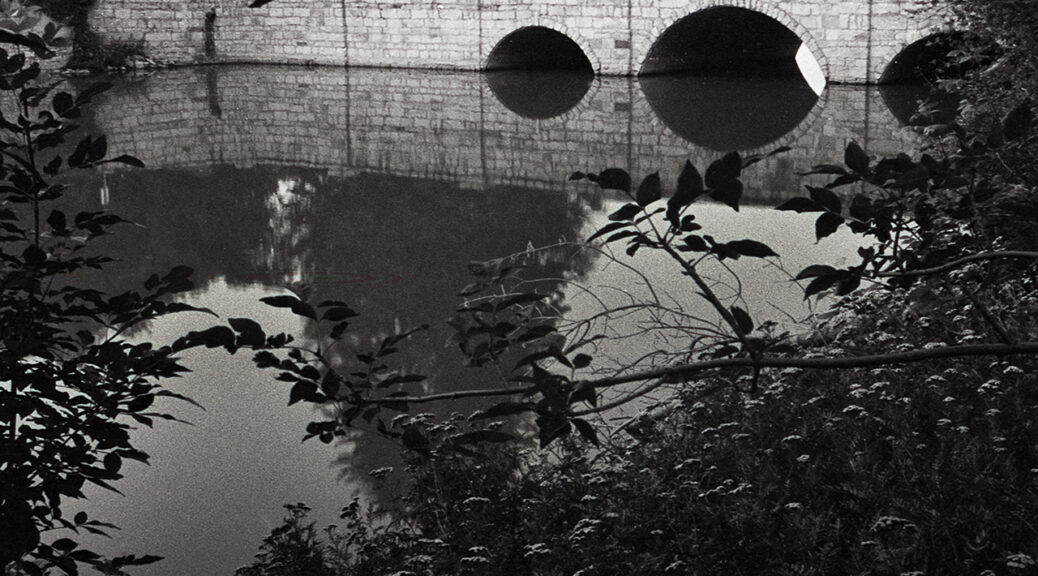
Simple black and white composition of bridge at Sacagawea Park. 35mm, Tri-X, xtol 1;1

With a few days left in our trip we moved to different accommodations. We booked an Air BNB “down the hill” in Livingston, MT. I had been there many times but I hadn’t spent more than a couple of hours there at a time. Mostly to go get some lunch or dinner at one of the great places in town. My wife had plans that took her away from town for those few days leaving me without transportation, so I was relegated to hoofing it around town on my own.

At the edge of town, along the banks of the Yellowstone River, is Sacagawea Park. I had not spent much time there before, but it was pretty close to where we were staying so I decided to explore it a little. While shooting black and white photographs I look for simple compositions, I wasn’t really looking for an epic view of the mountains. (The forest fires were raging then and the sky was filled with smoke anyway.) I was able to isolate a few of the charming features of the park while I explored. One of them being the bridge that accesses the park.

The final photo turned out pretty much like I wanted. It has the calm feeling I wanted to portray with the still water reflecting the arches of the bridge and the discovery of peaking through the woodland to find the old bridge just beyond the water. Keeping the composition and gear simple when I made the photograph, it helps me remember the sounds and smells of that day when I made it. A very good memory.
Wilderness at your front door

Like most people I have a day job. Photography is my passion and I am lucky enough to be able to make the kind of photographs I want to make on my terms. However, the day job does sometimes cut into my available time to shoot as often as I would like. So I have to be creative with my time.

Recently I relocated from Montana to Minnesota. Some of you may be saying “What?…” I know. Minnesota is not known for it’s grand vistas, towering mountains and crazy cool wildlife. But it isn’t that bad actually. I haven’t been able to explore much yet, due to Covid-19, starting a new job and renovating a really old house.

I wasn’t going to give up though. I work from home, like a lot of folks nowadays, and my new home office is in the basement. It has a garden level view window right in front of my desk. Little did I realize what a perfect wildlife blind this window would be!

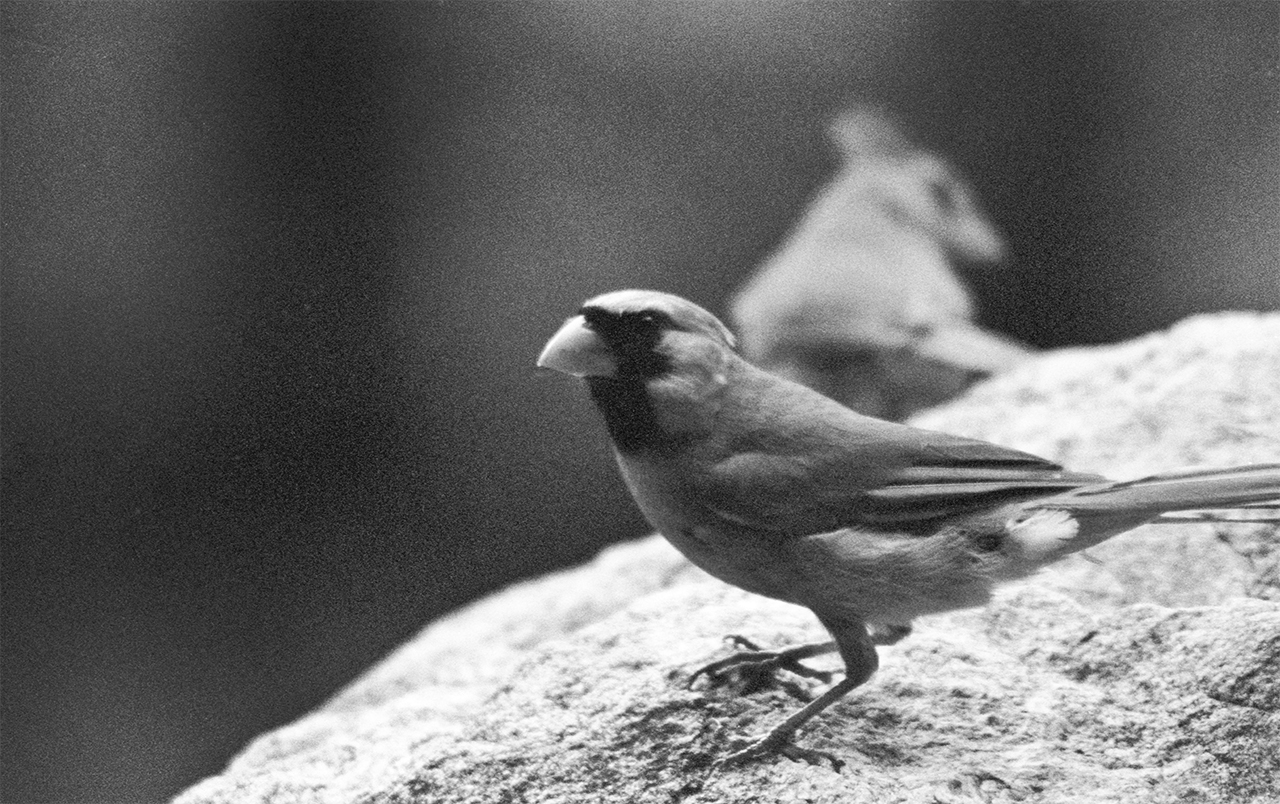
A cardinal couple stops by my window often looking for food.

Many times I have early phone/zoom meetings with my colleagues in Asia so I am often at my desk before the sun rises. My home is in a heavily wooded area right next to a huge lake (duh, Minnesota) and I started noticing that many mornings when I was on the phone all sorts of animals were roaming around my garden. They had no idea I was sitting there watching them!

I thought to myself, “here is my opportunity to photograph some wildlife!” I started having a camera with me on my desk every morning when I started work. While I am on calls, muted of course, I can shoot away at all the critters that come by my window. It’s really fun and a challenge.

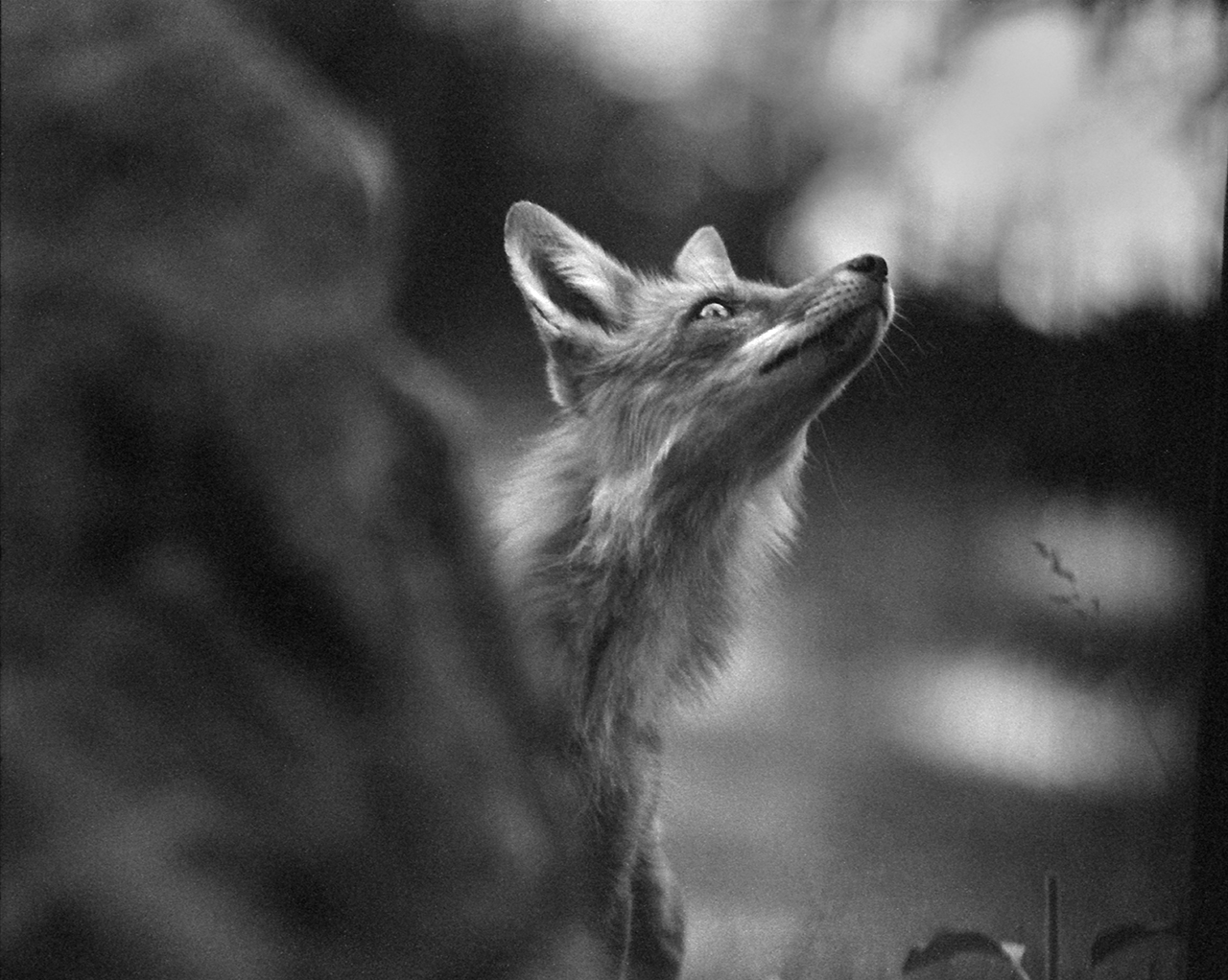
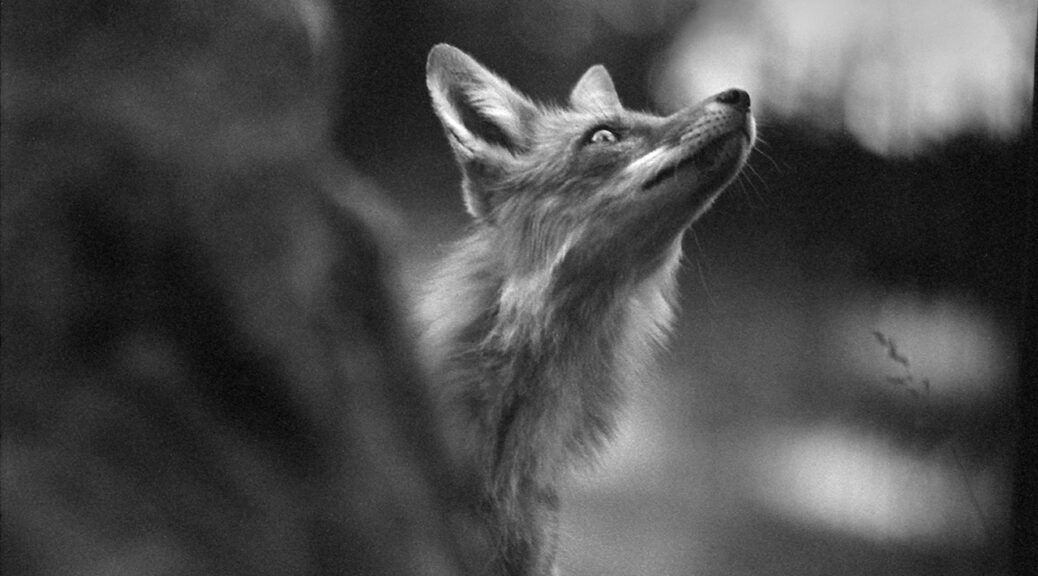
One of the visiting foxes that stop by my window on their hunting rounds in the morning.

I have the usual squirrels and chipmunks that come by. They have even started to look into the window at me like I am some sort of zoo exhibit for them! Then there are the herds of deer and beautiful birds that stop by. The highlight of my “working” wildlife blind has been the red foxes. They have been really fun to photograph.

Now many of these are not going to be national geographic images. Most are snapshots at best. But I have had a few keepers that I enjoy and have added to my collections. The point is I had to find a way to keep my creativity and my eye exercised to keep making photographs.

The Camera Doesn’t Make The Photographer

Many times I get a comment from someone who sees my photographs like, “Wow, that’s a beautiful picture. You must have a really good camera”. It is common for people, who don’t understand what goes into creating a photograph, to think all a photographer does is frame, focus and push a button.

Also, I get many friends asking me what is the best camera they should buy. This is what leads me to the topic of this post. The camera doesn’t make the photograph. The photographer makes the photograph and the tool is a camera.

It is interesting to me when people think the camera made the photograph. No one asks the chef at a restaurant what type of oven they use, or tell a textile artist they must have an amazing loom.

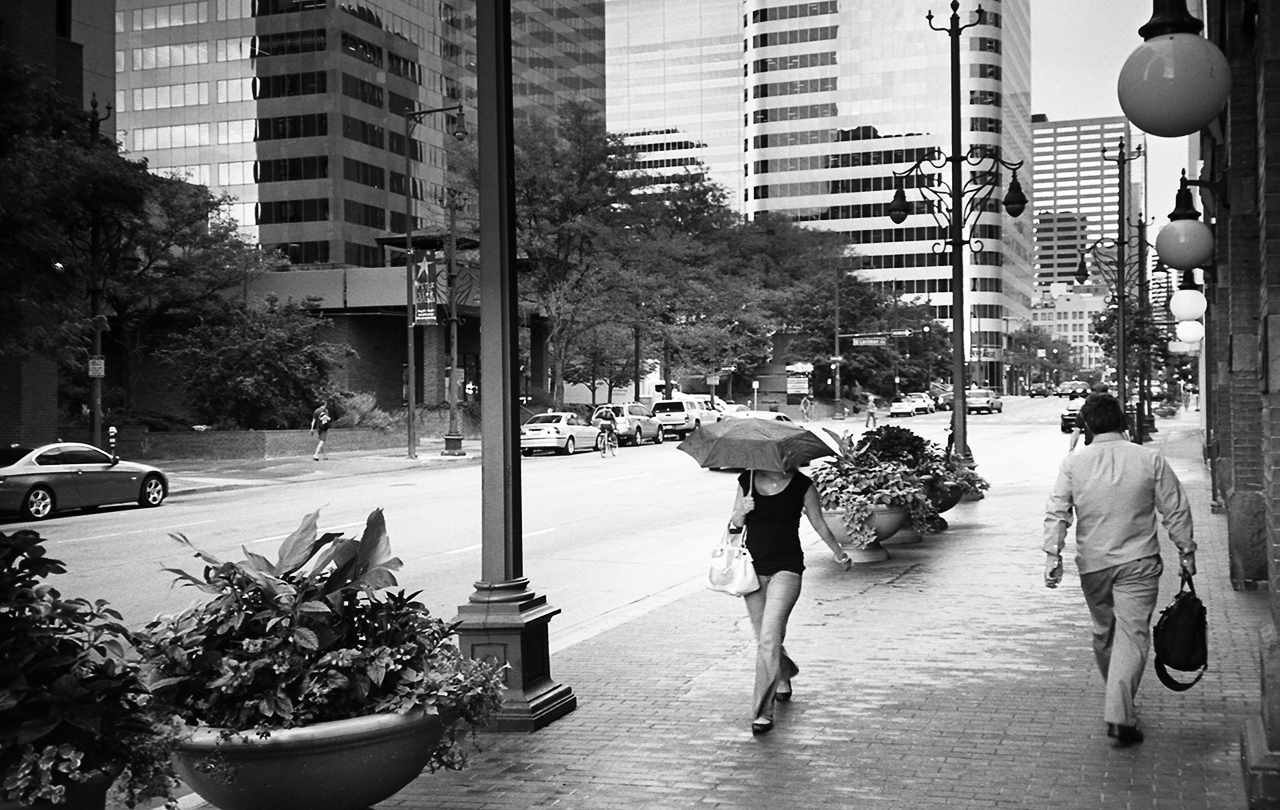
Rainy day on the streets of downtown Denver. Canon sure shot point and shoot with Kodak black and white film.

Here’s the thing… it doesn’t matter what type of camera is used to make a great photograph. What DOES matter is knowing what kind of photograph I want to make. What is the creative vision? That’s where a photographer starts. I ask myself these questions before I make some photographs.

  • What is my end goal for distributing the images?
    • Big prints
    • Family scrap book
    • Social media
    • Magazine
  • What am I trying to say with my photographs?
    • Tell a visual story
    • Create emotion with the photographs
    • Capture memories
  • What am I photographing?
    • Landscapes
    • Sports
    • Travel
    • Portraits
    • Street

Thinking through some of these questions helps me figure out what the best tool (camera) is to achieve my creative vision for the photograph. For example, if I plan on shooting grand landscapes my needs are very different than when I am shooting candid street photographs. For the landscapes a high quality lens, large sensor/film system could be important. (Unless the goal is to shoot soft ethereal, interpretative landscape photographs. Then a Holga camera may be perfect.) In the case of a street photograph a simple fully automatic point and shoot camera may be perfect for the quick indiscrete capture.

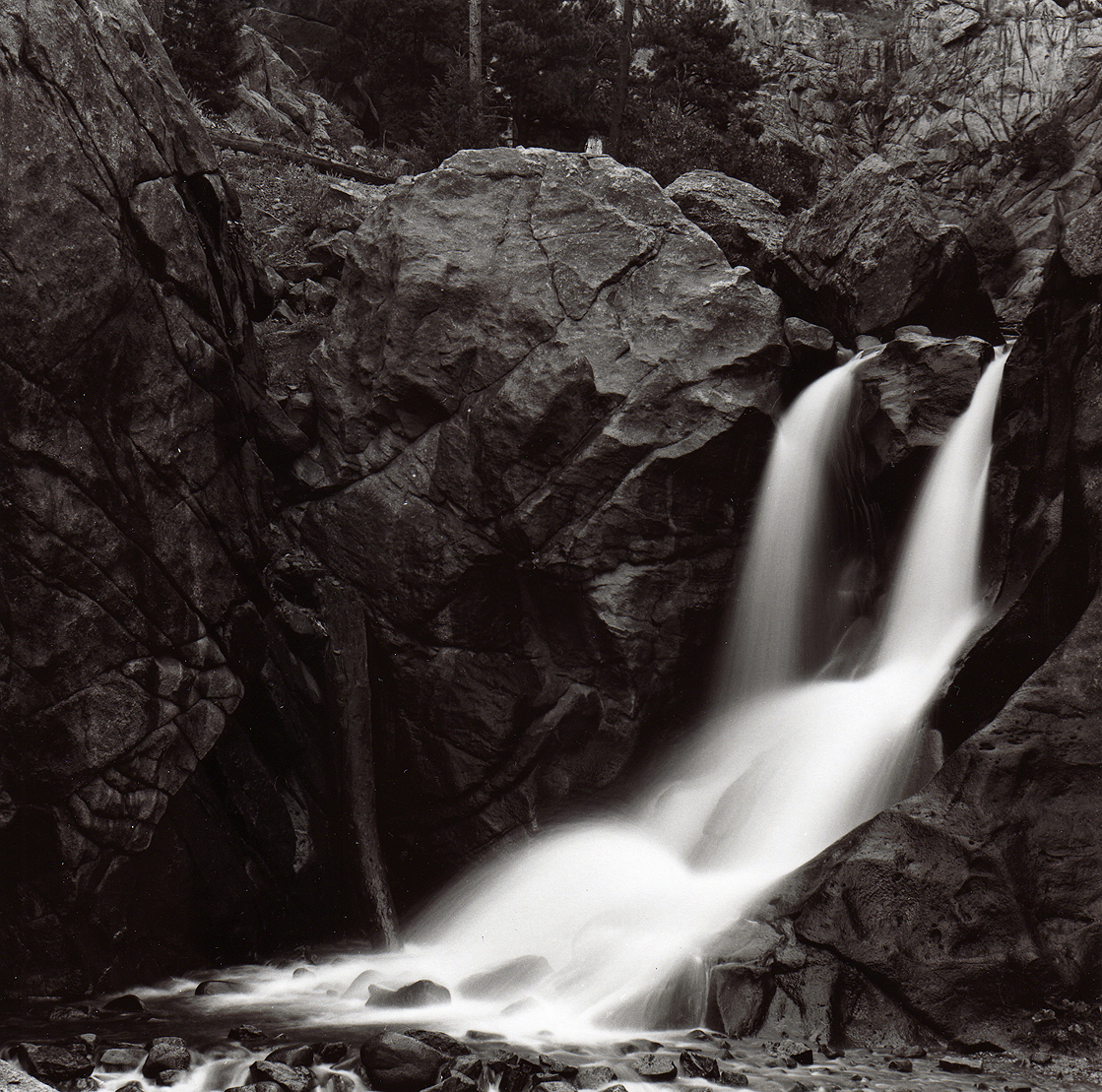
Long exposure of Boulder falls taken with an antique Kodak folding 620 camera

Today’s cameras are awesome feats of technology. So many features that can meet almost any need. Almost. The only things a photographer needs in a camera is the ability to control ISO, shutter speed, aperture and focus. That’s really it. But all cameras have their strengths and weaknesses and knowing what those help me know what camera to use to make a photograph that I am after.

Don’t forget to sign up for my monthly email below. I will have exclusive content and offers for email subscribers not available anywhere else. Thanks for your support.