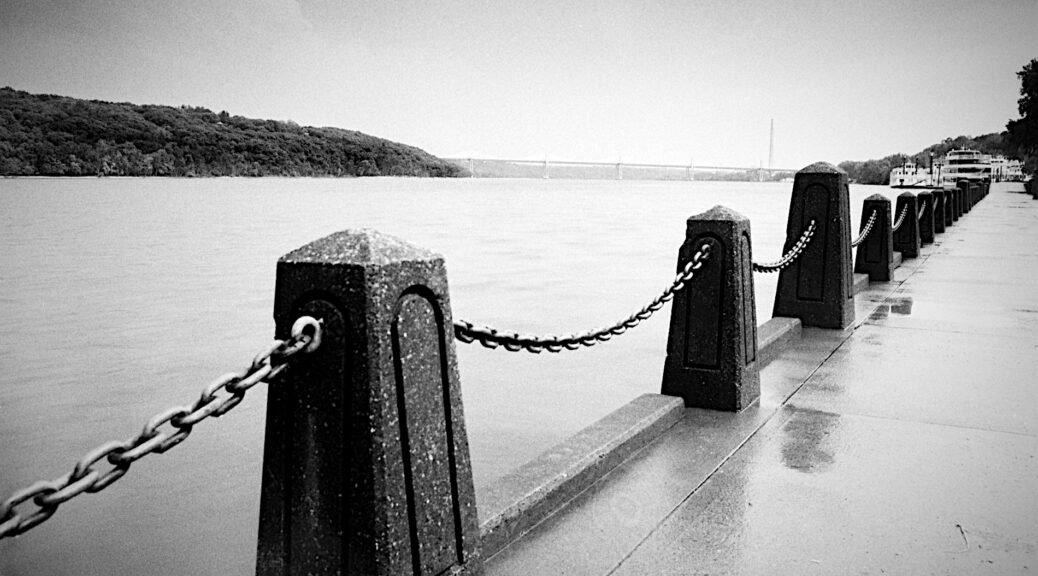
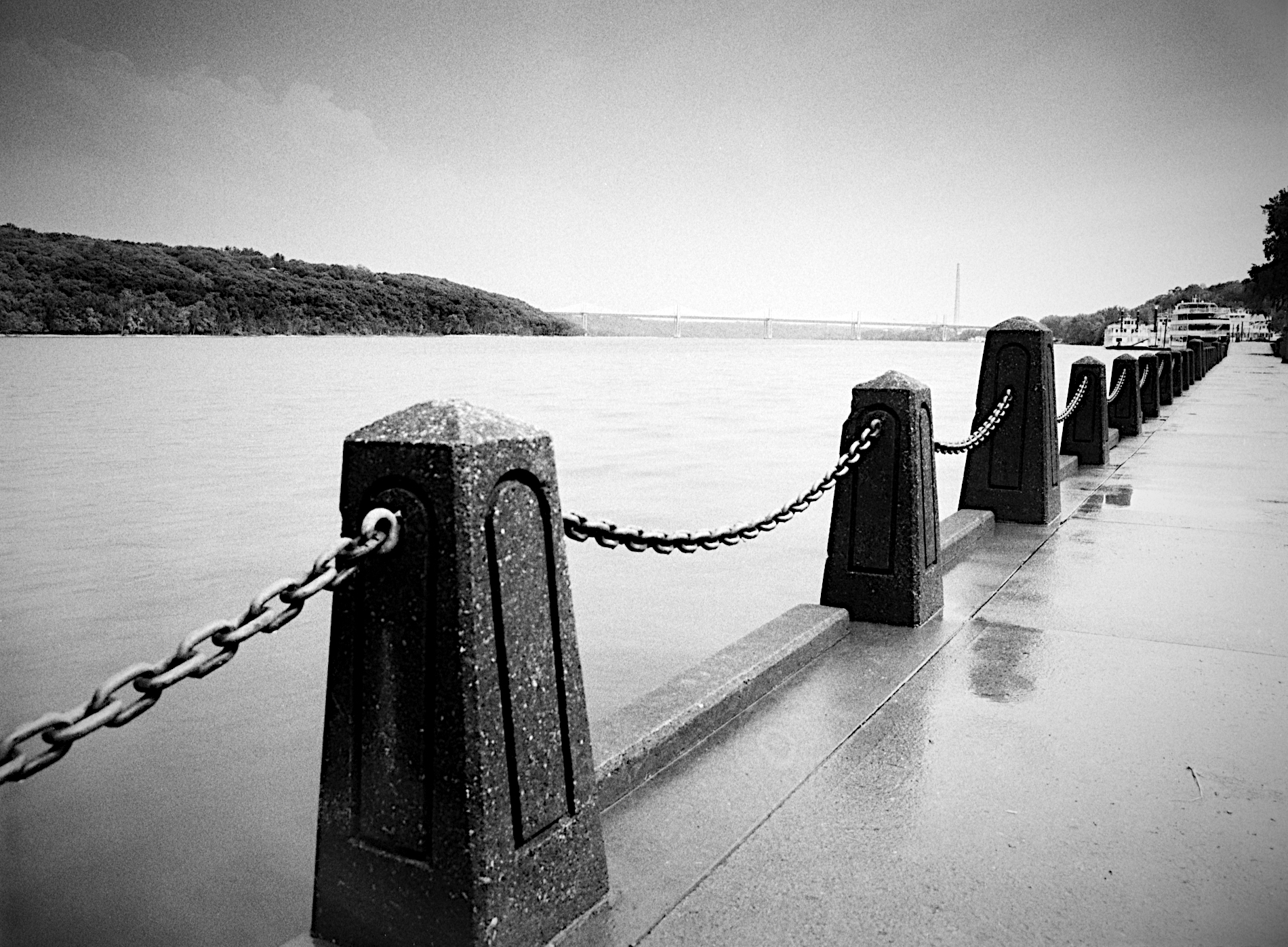
I had an hour. Nothing needing done, no one to see, one hour without demand. I had my camera and started to take a short walk. It was a hot, rainy, humid summer afternoon, the air thick with a haze and clouds. The kind of day people don’t go out for a casual stroll. Certainly not the kid of day for a beautiful photograph. Even so, I had an hour and I had to scratch the itch.
I know this river walk well. I have been up and down the river banks here over and over. I had to fight the notion that I have been here before, seen this before, photographed this before. I was looking for the unfamiliar in the familiar. It was a challenge.
“Guardians”, Mamiya 645 45mm f8 1/2sec, TriX 400
Quiet stillness, where the water meets the land. I could feel the thick air, hear a pin drop, and watch the water flow powerfully by as I set up my camera. If you didn’t pay attention it would seem like an unpleasant day but the river didn’t care. The land didn’t care. My camera didn’t care.
In my mind, the sounds of the boats on a sunny summer day, kids jumping off the barriers into the high water and fishermen casting lines echoed. This day, was not those days. I had one hour and this is what the world presented to me.
I could have easily not taken the camera out for this. Told myself the light is bad, or that I’ve been here before. I would have missed this moment if I hadn’t forced myself to get out, to look hard, stand and feel what was before me. But the itch… I had to scratch. I’m glad I did.
This isn’t an amazing photograph, it’s a good one for the day. It made me focus, leave the demands of everyday behind. For an hour I was in the creative flow and produced something I like. I encourage anyone to find any sliver of time for a creative pursuit. Chip away at the creative process. It helps clear the mind and over time, things build on themselves.
If you like the content I post here on the blog then maybe you will be interested in my email newsletter. I send them out with other news, thoughts and tips on photography as well special print offers. Add your email in the form below. You can unsubscribe anytime, you won’t hurt my feelings.
If you have been looking into purchasing a fine art photograph you may have noticed that many times a photographer will label the prints as limited edition or open edition or even non edition prints. What does all that mean? What does it have to do with the photograph you may be purchasing and how does it affect you? Let’s take a look.
Unlike other forms of visual art, photography (and sculpture in some cases) can make many copies or versions of an original. Paintings are different. Sure, you can make a copy of a painting and sell posters, limited edition prints etc. but you can hang the original on the wall and there is only one original. With a fine art photograph the final product isn’t a negative or a digital file, it’s the print. However, the print is where the last portion of the creative process is done by the artist with photography. This makes photographic prints inherently reproducible making it impossible to have an “original”.
With that said, fine art photographs are made, not taken. Much more than a press of the shutter button goes into the creation of a final photographic print.
Limited Edition
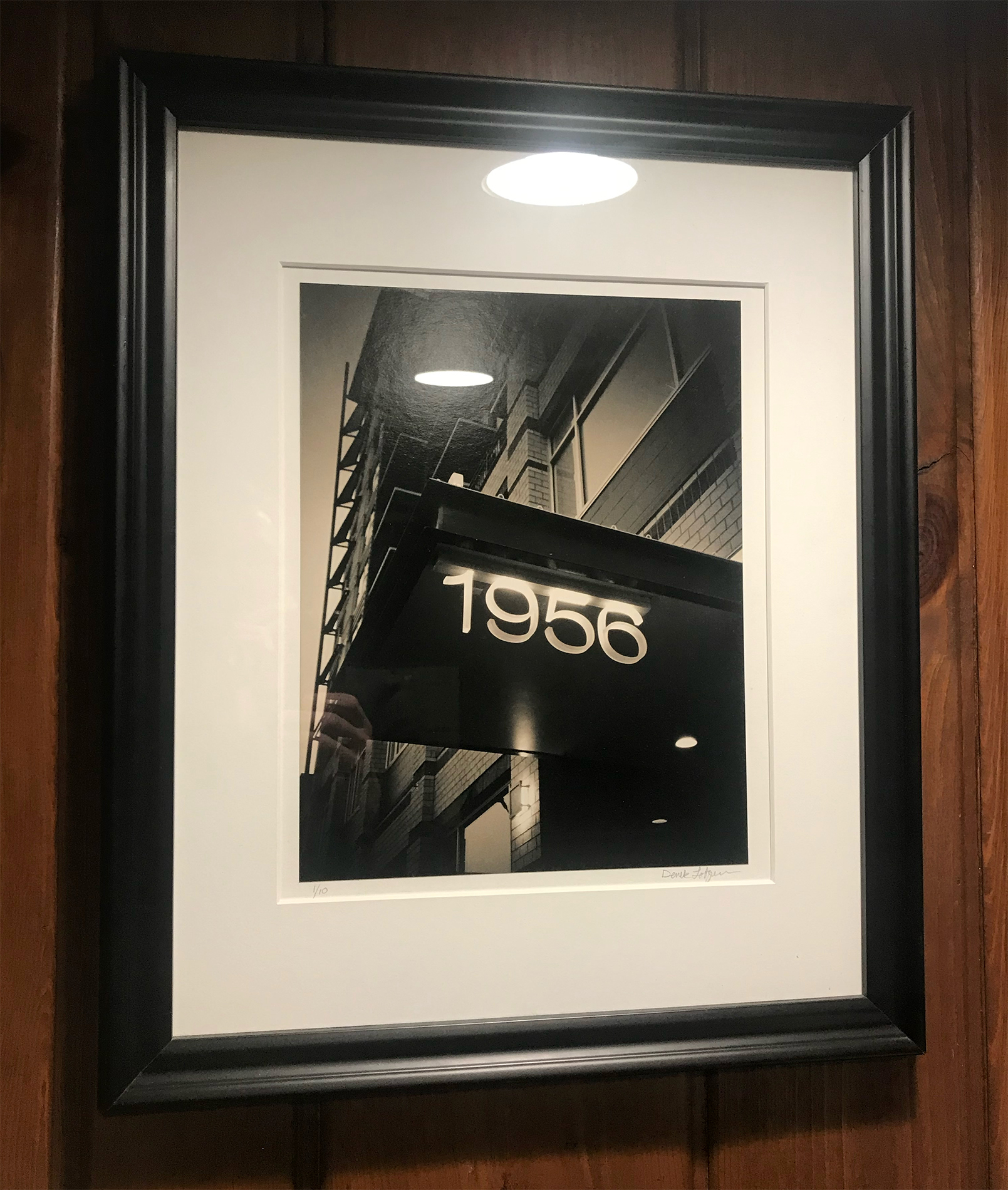
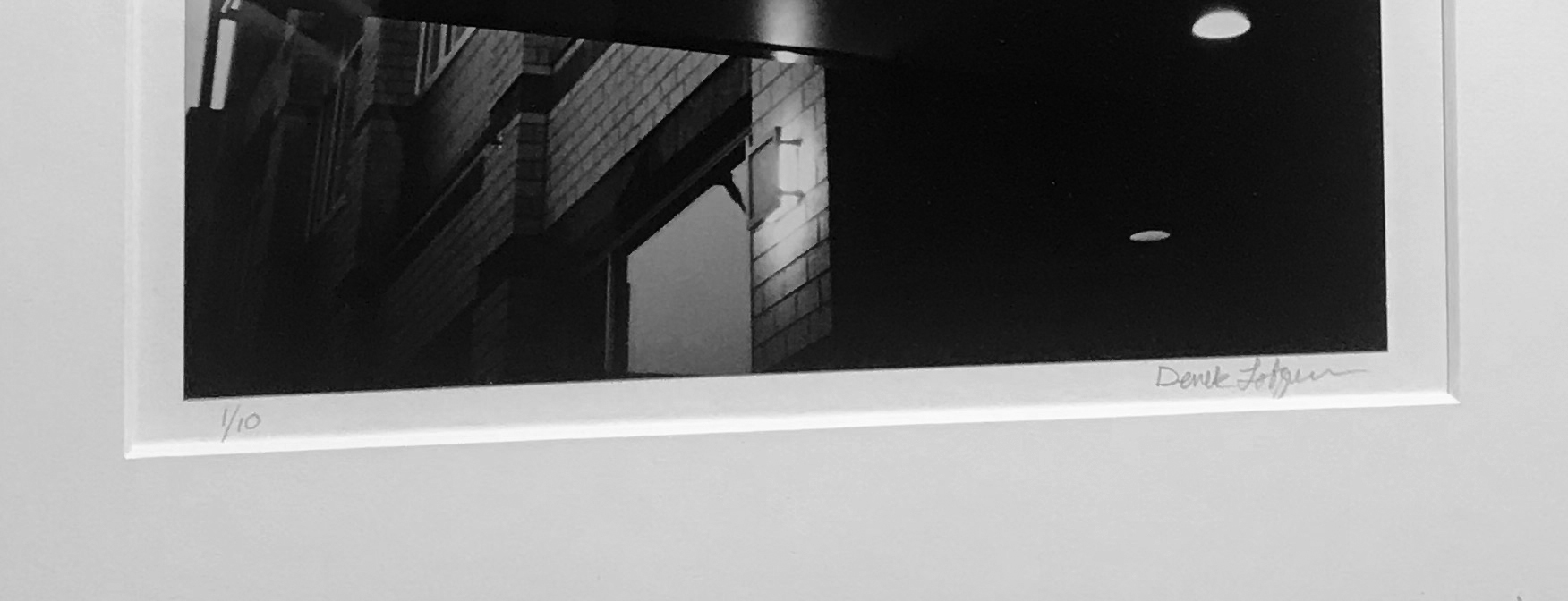
A limited edition simply means that a photographer has decided they will only produce a set number of prints for a particular image. It is a promise to the collectors, that the photographer will only produce a limited number of prints. For example, a photographer may decide to only produce 10 prints of the London Bridge. Each print is numbered 1-10 out of 10 i.e., 1/10, 2/10. Therefore, it is called a limited edition.
If a photographer limits their prints it puts some responsibility on the them to maintain provenance of the edition. This means the photographer needs to keep records of all prints made and sold. This should include who the original purchaser is, what number print of the edition it was, and any other details. By doing this the photographer can prove the value of any print that is purchased by a collector. Of course with any print an artist should provide a Certificate of Authenticity (COA). More on that later in this post.
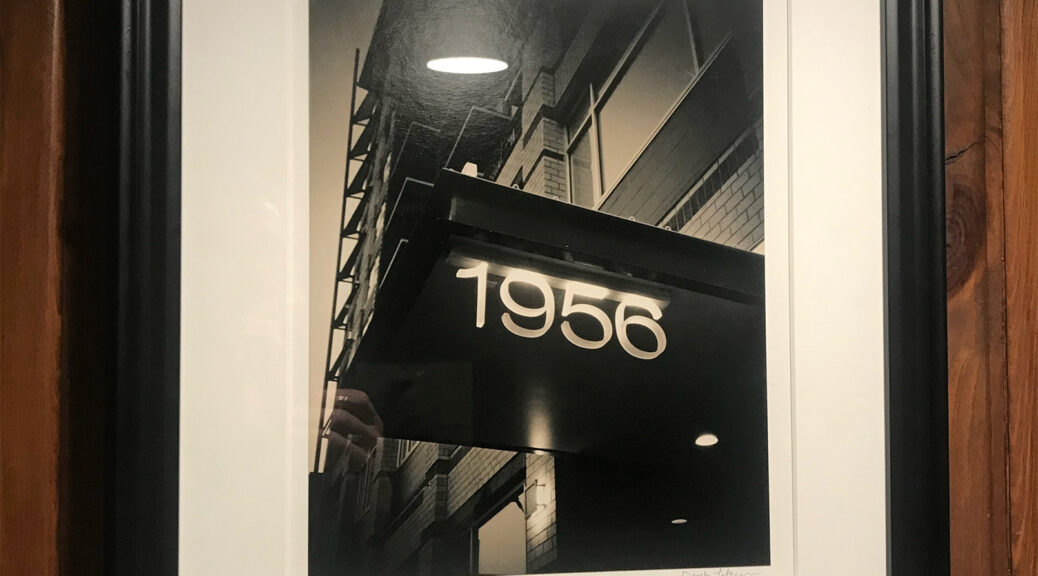
A Time and Place. Limited Edition Silver Gelatin Print, 1 of 10, signed by the artist. Exhibited 2015, Littleton Museum, Littleton CO.
There are some pro’s and con’s to this approach. The big upsides to collecting limited editions is that there is only so many of these objects created. This automatically creates value if the print is popular. This also depends on the number of prints in an edition. If a photographer prints 200 in an edition, then, in my opinion it’s not that scarce and the chances of most photographers selling out an edition of 200 is rare. However, if a photographer prints 20 in an edition, then the value of each print should be higher. If you are a collector and can get in early on a limited edition the value of the photograph has a likelihood of continuing to hold it’s value. Not to mention the uniqueness of owning such a limited supply of the print.
Singed and Numbered
On the downside, there is no guarantee that the print will hold it’s value. Also, for the photographer, this really limits their ability to create more prints if the photograph becomes popular, painting them into a corner. Many times a photographer will raise the price of a print as the edition sells. This makes sense because when a print is popular, the edition has a good chance of selling out. If the photographer has limited availability to sell the print they can gauge value by how well it sells, maximizing their potential profit from the sales.
Open Editions
When you buy an open edition print you should be getting the same quality, and attention given to the print as a limited edition, BUT there is no limit on the amount of prints the photographer is going to make. With open editions, certificate of authenticity, artist signature, purchase price and number of print should all be provided with the print. This still lends provenance to the print just like a limited edition except that there is no end to the print run. It could be a very popular photograph and be printed 800 times or, not so popular, and printed only 5 times. I feel that open edition prints are a good middle ground for both the photographer and the collector to get into collecting photographic fine art prints. It let’s an early or mid career photographer to find out what work is most sought after and collectors to get in on a print when they have the budget to purchase.
If a mid career photographer sees success and starts to be heavily collected or represented by a gallery, the photographer can stop producing open editions and move to limited editions. If a photographer keeps good records of who has purchased open edition prints he or she can contact all the collectors notifying them that the open edition has been closed.
Non Editions
This is simply a print that is sold without any provenance or documentation. Many times without an artist signature. To a collector these are not as desirable. Sure, it may be a fantastic photograph, and if you love it buy it! If it brings you joy and happiness when you look at it that is the most important, but it probably won’t be something collectable. If you enjoy photographs and don’t really care what their value will be, but you want it hanging on your wall, then non edition prints are a great way to go for adding some interest to your home or office. Don’t let it stop you from buying one.
Certificate of Authenticity
When purchasing any time of art a collector should expect to get a certificate of authenticity (COA). This is a detailed account of the origin of the artwork. It should state the artists name, title of the work, dimensions date the print was issued, what number in the edition, signature, as well as other pertinent details.
The COA is a very important part of purchasing a piece of art. Without it, the artworks value is much less.
What About Me?
For now, I provide my collectors with Open Edition black and white fine art prints. I am not represented by a gallery at this time, so I don’t really see the need to put limits on my print numbers. I feel that this is the most flexible approach for me as a photographer, and still provides a high level of value to any collector who purchase prints from me. If things change in the future I may close an open edition but for now they are open.
If you want to purchase a print from me please inquire. Soon, I will have online purchasing at my website.
Hopefully this was some helpful information for you as you begin your photographic collecting. As Always, if you want to be kept in the loop, sign up for my email list. I send info on new prints, exhibitions and general happenings so you can keep tabs on the latest.